The Quiet Room: How New York's Most Considered Dwellers Are Building Sanctuaries of Sound
New York speaks constantly. It speaks through the percussion of a crosstown bus, the low thrumming of an HVAC system three floors above, the conversation bleeding through a shared wall at eleven in the evening. For most residents, this acoustic landscape is simply the ambient condition of city life—something to be accepted, managed, occasionally complained about. But for a quieter, more deliberate cohort of New Yorkers, something has shifted. Silence, they have decided, is not a luxury reserved for country houses and meditation retreats. It is something that can be designed for, cultivated, and lived within—even in a sixth-floor walk-up in Crown Heights or a prewar co-op on the Upper West Side.
This is the emerging practice of acoustic wellness: the considered curation of one's home environment to minimize unwanted sound, amplify restorative quiet, and create the conditions for genuine mental restoration. It sits at the intersection of interior design, behavioral psychology, and the kind of urban self-preservation that New Yorkers have always quietly excelled at.
Why Silence Has Become a Design Priority
The cultural conversation around wellness has, for years, centered on the visible and the tactile—the quality of a mattress, the toxicity of a paint finish, the ergonomics of a desk chair. Sound, by contrast, is invisible, and its effects accumulate slowly. Research from environmental health institutions has long suggested that chronic noise exposure—even at moderate levels—contributes to elevated cortisol, disrupted sleep cycles, and diminished cognitive performance. In a city where ambient sound levels routinely exceed what the World Health Organization considers acceptable for residential environments, the implications are significant.
What distinguishes the current moment is that awareness of these effects has reached a tipping point. New Yorkers who might once have accepted noise as an immutable feature of urban existence are now asking a different question: what, within the boundaries of my own home, can I actually control? The answer, it turns out, is quite a lot.
The Material Language of Quiet
Acoustic design at the residential level begins with surface and material. Hard floors—the polished concrete and exposed hardwood that define so much of New York's contemporary interior aesthetic—are acoustically unforgiving. They reflect sound rather than absorbing it, allowing noise to travel and accumulate in ways that feel exhausting without being immediately identifiable as the source of that exhaustion.
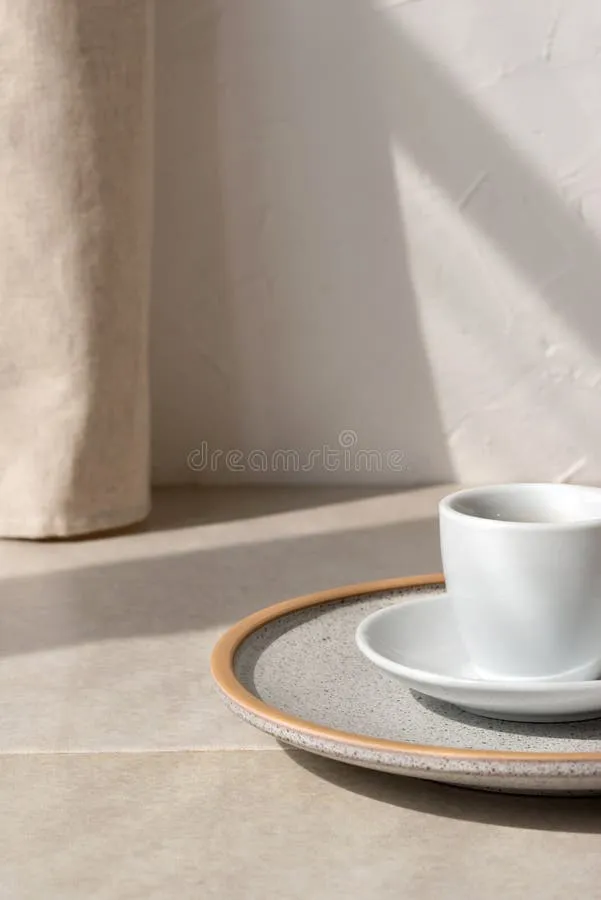
The considered response is not to abandon the aesthetic preferences that make a home feel like itself, but to layer thoughtfully. A generously proportioned wool rug anchors a room acoustically as much as visually. Heavy linen drapery, drawn floor to ceiling, absorbs reflected sound while lending a room the kind of soft authority that lighter treatments simply cannot achieve. Upholstered furniture—particularly pieces with dense, natural-fiber stuffing—functions as passive sound dampening, reducing the hard bounce of noise across open-plan spaces.
Bookshelves, too, deserve mention. The densely packed wall of books is not merely an intellectual affectation; it is one of the most effective acoustic treatments available to the residential interior. The irregular surface of spines and varying depths breaks up sound waves in ways that smooth, flat walls cannot. For those who have always wanted a reason to invest in their library, acoustic wellness provides a practical one.
Furniture as Acoustic Architecture
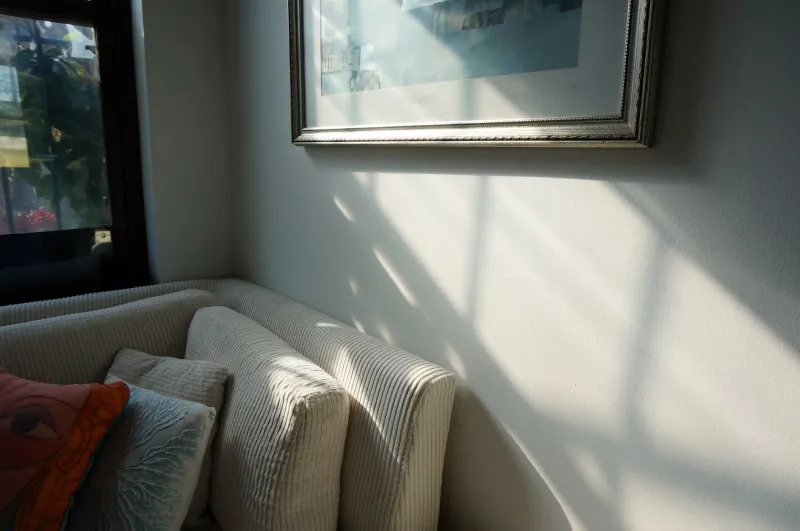
Beyond material, placement matters enormously. Furniture positioned against shared walls—particularly those shared with neighbors or facing street-facing facades—acts as a buffer, adding mass and density to the surfaces most vulnerable to sound transmission. A substantial upholstered sofa placed against a party wall is doing double work: it furnishes a room and, quietly, insulates it.
Some New Yorkers are going further, consulting acoustic specialists who approach residential interiors with the same rigor typically reserved for recording studios or concert halls. The solutions these professionals recommend range from the imperceptible—acoustic panels disguised behind stretched fabric wall treatments—to the structural, such as decoupled drywall installations that break the physical connection between a room's surfaces and the building's frame. For those in the process of renovation, these interventions are increasingly treated as foundational rather than optional.
The Appliance Question
Silence-minded New Yorkers have also turned their attention to the noise generated within their own homes. The refrigerator that cycles loudly at two in the morning. The dishwasher that sounds, at its peak, like a small aircraft preparing for departure. The range hood that renders conversation impossible. These are not trivial irritants; they are persistent contributors to the acoustic load of daily life.
A new generation of European-made appliances—brands long favored for their engineering precision—has found a receptive audience among this cohort precisely because of their low operational noise levels. Decibel ratings, once a specification consulted only by the most technically minded consumer, have become a genuine purchasing criterion. The quietest dishwashers on the market now operate at sound levels comparable to a whispered conversation. For those who have experienced the difference, there is no returning to the alternative.
The Psychology of Designing for Silence
There is something worth examining in the impulse itself. The desire for acoustic control in a city defined by its noise is, at its core, an expression of the same sensibility that drives every other dimension of intentional living: the belief that one's environment shapes one's inner life, and that shaping the environment is therefore a form of self-authorship.
Psychologists who study restorative environments speak of the importance of perceived control—the sense that one can influence the conditions of one's own existence. In a city where so much is beyond the individual's reach, the home becomes the primary site of that agency. To design a room that is genuinely quiet is to exercise a kind of sovereignty that the city does not otherwise permit.
This is not escapism. The New Yorkers who are most deliberate about acoustic wellness are not retreating from the city's energy; they are managing their relationship to it. They move through the noise of the street and the office and the subway with the same engagement as anyone else. What they have constructed, at home, is a counterweight—a place where the nervous system can genuinely settle, and where the silence is not accidental but chosen.
Beginning the Practice
For those drawn to this approach but uncertain where to begin, the entry points are modest. A single large rug. Curtains with enough weight and length to do meaningful acoustic work. A bookshelf repositioned to face a noisy wall. These are not dramatic interventions, but they are cumulative, and their effects—felt rather than measured—tend to be persuasive enough to inspire what comes next.
The quietest rooms in New York are not the most expensive or the most elaborately designed. They are the most considered. And in a city that asks so much of its inhabitants, the act of designing for stillness may be among the most generous things one can do for oneself.